BINGE EATING DISORDER THERAPY
AT THE FITZROVIA PSYCHOLOGY CLINIC

WHAT CAN I EXPECT?

  • Expert, personalised care: Our London-based team includes consultant psychiatrists, clinical psychologists, dietitians, nurses, and family therapists, all tailoring treatment to individual needs at our clinic.
  • Structured therapy: We offer Cognitive Behavioural Therapy for Eating Disorders (CBT-ED), delivered in three stages: Preparation for Change, Making Change, and Stepping-Out, supported by a private CBT therapist.
  • Dietetic support: Our dietitians help individuals and families understand nutritional needs to support recovery. Focus is on improving your relationship with food, not enforcing restrictive diets. We support intuitive eating, body neutrality, and emotional regulation as part of recovery.
  • Group and family involvement: Patients can attend specialist eating disorder groups such as Motivation Matters and Recovery Road, and loved ones are encouraged to join our Eating Disorder University Workshop.
  • Reintegration skills: We support individuals in regaining confidence and reintegration into everyday life, providing practical tools to promote recovery and reduce the risk of relapse.
  • Private assessments: We offer private therapy assessments in our London clinics for those seeking individualised care.
Theraphy

DIAGNOSIS AND TREATMENT

Our approach is always tailored to the individual. Treatment for binge eating disorders combines talking therapies, such as Cognitive Behavioural Therapy (CBT), with nutritional guidance and emotional support. Working closely with an experienced psychologist, you will explore the thoughts, behaviours, and feelings that influence your relationship with food, body image, and self-worth.

15-minute initial consultation

Following your initial enquiry, we will schedule a brief telephone consultation with you in order to gather some basic information about you, your needs and goals.

A comprehensive assesment

Your assessment usually begins with a 50-minute consultation with one of our senior clinicians. They’ll take time to understand your mental health history, how you’ve been feeling, your physical health and lifestyle, and any previous experience you’ve had with therapy.

A personalised treatment plan

Experience evidence-based therapies that are always tailored to your needs and goals, delivered by specialists who remain at the clinical forefront.

Outpatient binge eating disorder treatment may not be suitable for everyone. Where a higher level of medical or specialist care is needed, the clinical team will discuss appropriate next steps.

Book a Consultation

MEET THE TEAM

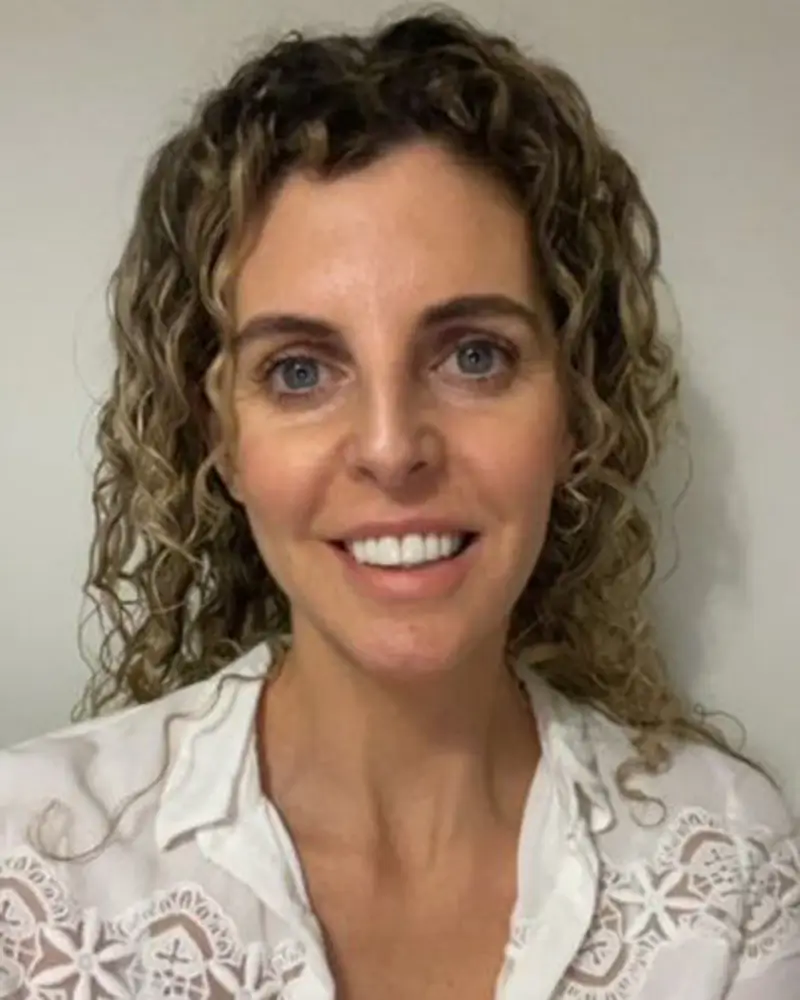
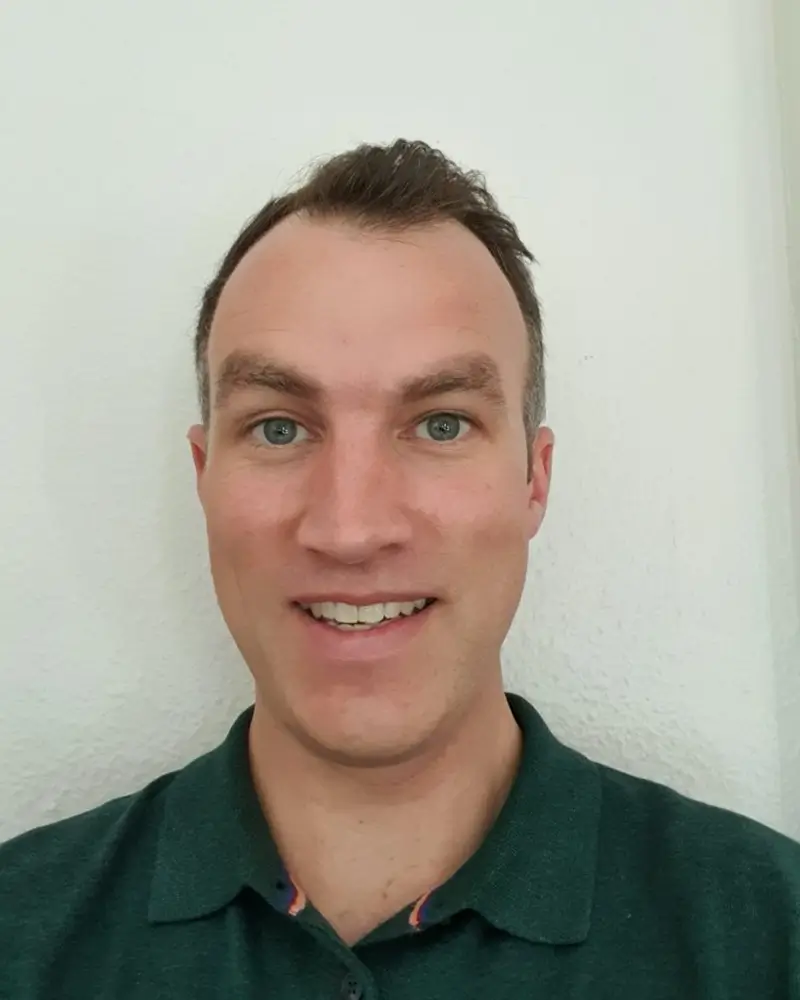
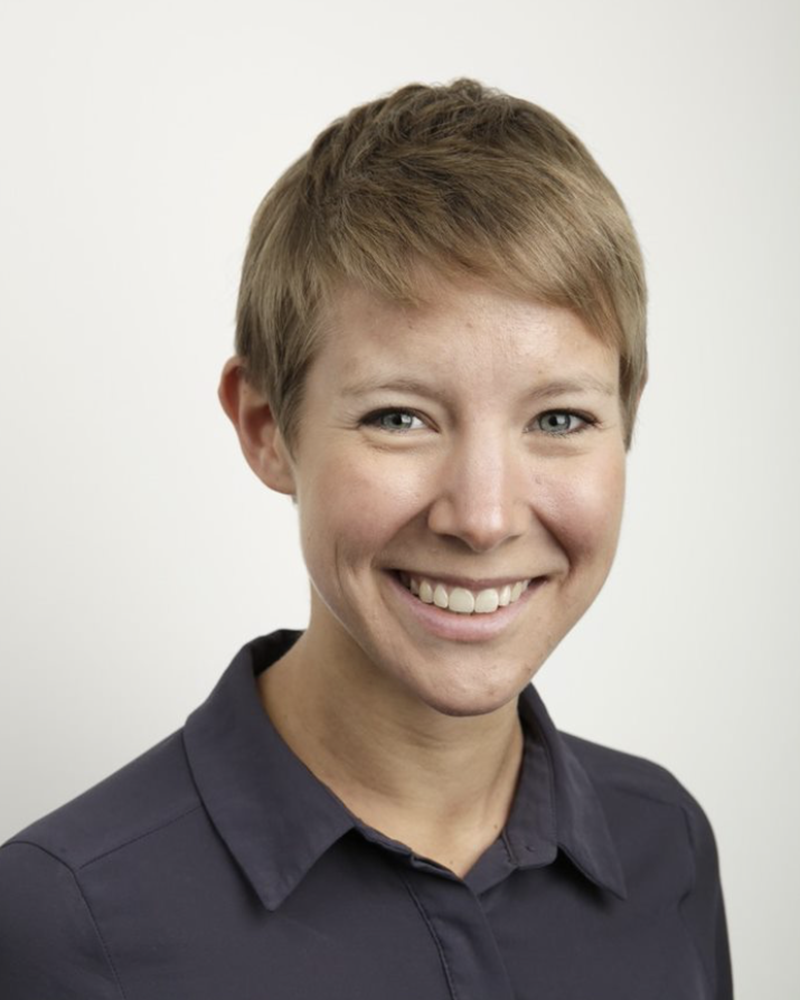
You are in expert hands at The Fitzrovia Psychology Clinic. Our team of highly experienced clinicians specialise in treating all types of eating disorders. Alongside their work at The Fitzrovia Psychology Clinic, each team member has worked in specialist NHS eating disorder services, often in senior leadership roles. Our multidisciplinary teams include psychologists, psychiatrists, and therapists with a wealth of experience.

Frequently Asked Questions

How do I know if I need binge eating disorder treatment?

If you regularly experience episodes of overeating, feel out of control, and struggle with guilt or shame afterwards, it is a sign you could benefit from professional support. An initial assessment with a binge eating therapist can help clarify the next steps.

Is binge eating therapy available remotely?

Yes. We offer secure online therapy sessions for clients across the UK, ensuring flexibility and accessibility while maintaining the same high clinical standards as our in-person appointments.

Will I have to follow a strict diet plan?

No. Our approach focuses on improving your relationship with food, not enforcing restrictive diets. We support intuitive eating, body neutrality, and emotional regulation as part of recovery.

Do you work with men and non-binary individuals too?

We do. Binge eating affects people of all genders, and we offer inclusive, affirming care tailored to your individual experience and identity.

What types of eating disorders do you treat at your London clinic?

We provide therapy for a wide range of eating disorders, including anorexia nervosa, bulimia nervosa, binge eating disorder, and avoidant/restrictive food intake disorder (ARFID). Our experienced eating disorder psychologists work with individuals of all ages to understand the root causes and support sustainable recovery.

Is binge eating the same as emotional eating?

No. Emotional eating involves using food to cope with feelings such as stress, sadness or anxiety. However, binge eating involves recurring episodes of eating large amounts of food with a sense of losing control and feeling unable to stop, often resulting in feelings of shame, guilt and distress afterwards. Emotional eating and binge eating can overlap, but not everyone who eats for comfort has an eating disorder.

Can I get help if I'm not sure it is binge eating disorder?

Yes. You do not need to have a confirmed diagnosis to seek support. If your eating feels difficult to control, causes distress or affects your day-to-day life, therapy can help you explore what is happening.

Do you see teenagers with binge eating?

Yes. We provide support for teenagers and young people experiencing binge eating and difficulties with their relationship with food. Our Child and Adolescent Mental Health Team specialises in supporting children and young people in understanding their emotions and mental wellbeing.

image of people sat on field

Start your journey today

Get In Touch
  • "Absolutely the best clinic out there for help & support with any psychological problems you may be facing. The therapists are so compassionate, kind, caring and supportive and make you feel safe from the moment you contact them. Highly recommended."

    Tan Feltham

  • "My experience with Dr Rigg has been amazing. cant highly recommend her and Fitzrovia Clinic enough."

    Gracie Williams

  • "Fitzrovia Psychology Clinic have been incredibly supportive and professional. The psychologists are compassionate and truly dedicated to helping clients grow. Thank to their care, I feel more confident and empowered in my mental health journey."

    Jennifer