SIGNS OF ANOREXIA

Common signs include skipping meals, eating very little, or avoiding certain foods. People may hide their body shape with loose clothing, lie about what they’ve eaten, or avoid eating with others. Some might exercise excessively, make themselves sick, or use laxatives and appetite suppressants to control their weight.

You may also notice physical signs and symptoms such as:

  • Poor circulation: People with eating disorders can suffer from poor circulation of blood around the body as a result of lowered blood pressure. When the body is starved, it slows everything down to conserve the limited energy that is available.
  • Feeling very tired: People with an eating disorder will find themselves consistently tired, both physically, due to their body not getting the energy it needs. Concentration will be difficult, and memory can be affected.
  • Stomach cramps: Digestion is often affected. Experiencing a number of symptoms, including stomach aches, cramps and spasms, diarrhoea, indigestion, and heartburn.
  • Headaches or difficulty sleeping: Sleep patterns often change dramatically; people often feel either tired, sleep a lot or suffer from insomnia.
  • Dry skin, hair loss, or fine hair growth on the body: Dehydration happens when your body doesn’t have enough water and other fluids to carry out normal functions. Your fingers may look blue and you may have dry skin. You may notice a change in your skin color, such as yellowing of the skin. You may have hair that thins, breaks or falls out. You also may have soft, downy hair covering your body.
Theraphy

ANOREXIA NERVOSA DIAGNOSIS AND TREATMENT

We offer individualised care for young people and adults, and our expertise extends to couples and family therapy, where we focus on relational dynamics and evidence-based interventions. Our services include comprehensive assessments, tailored treatment plans, and evidence-based therapies designed to meet the unique needs of each client.

15-Minute initial consultation

Following your initial enquiry, we will schedule a brief telephone consultation with you in order to gather some basic information about you, your needs and hopes and goals.

A comprehensive assessment

Our private mental health assessment typically involves a 60-90 minute consultation with one of our senior clinicians. You will be asked about your mental health history, current symptoms, physical health, lifestyle factors, and any previous experiences with therapy.

A personalised treatment plan

Experience evidence-based therapies that are always tailored to your needs and goals—delivered by specialists who remain at the clinical forefront.

Book a Consultation

MEET THE TEAM

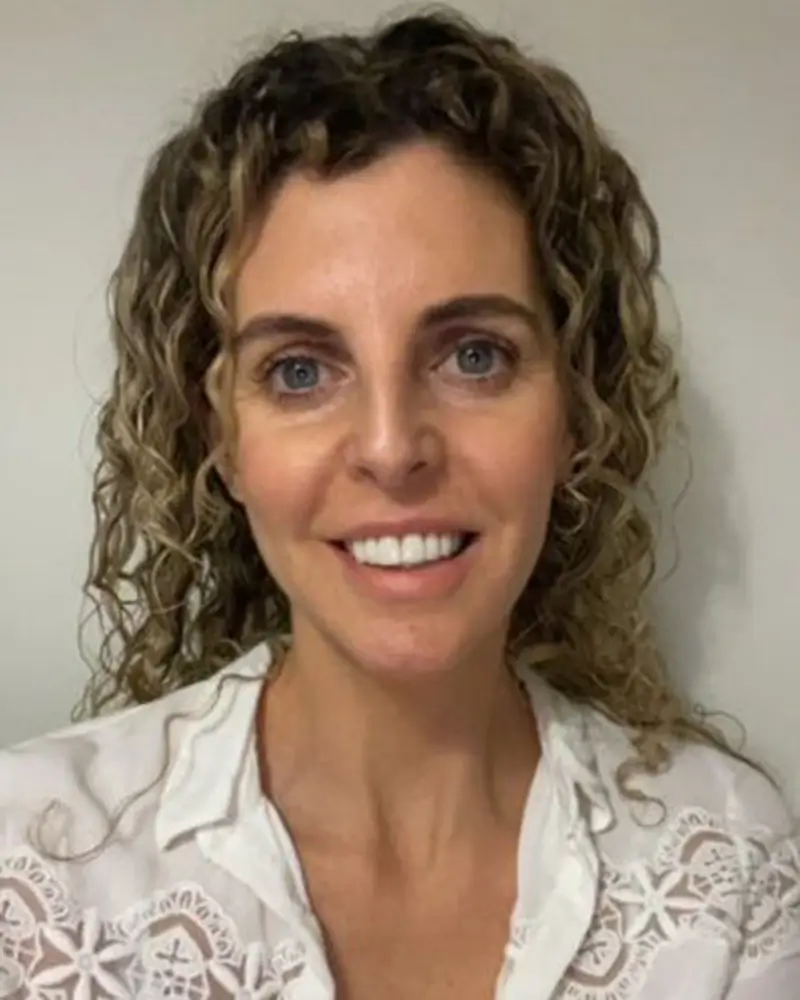
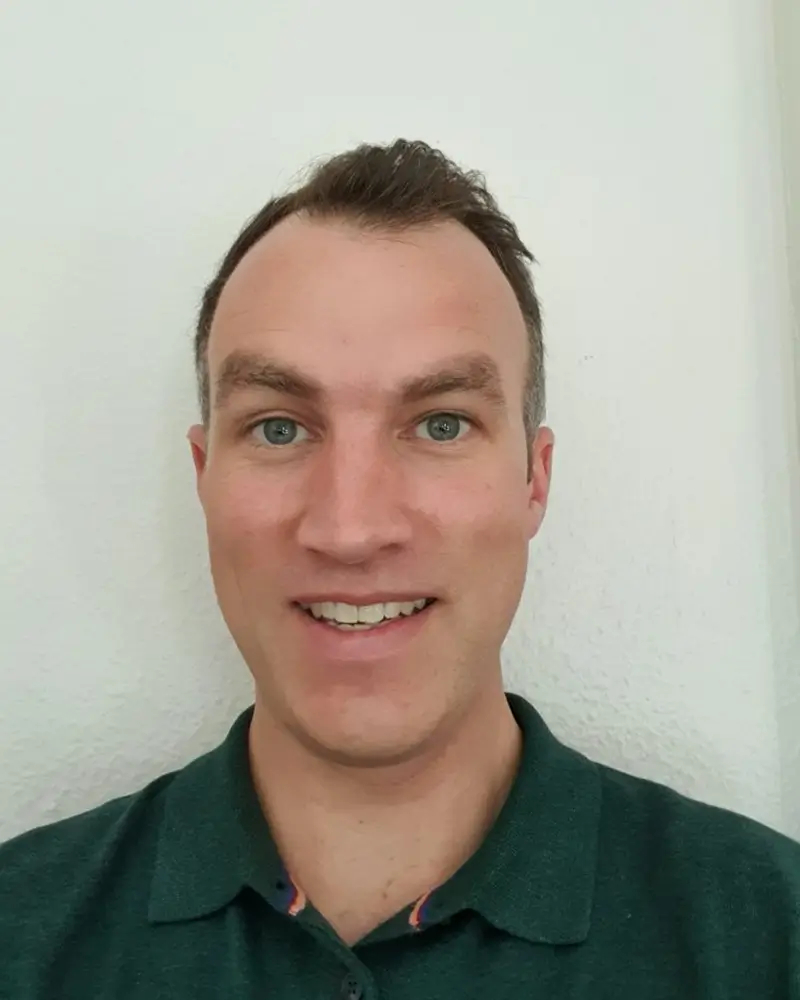
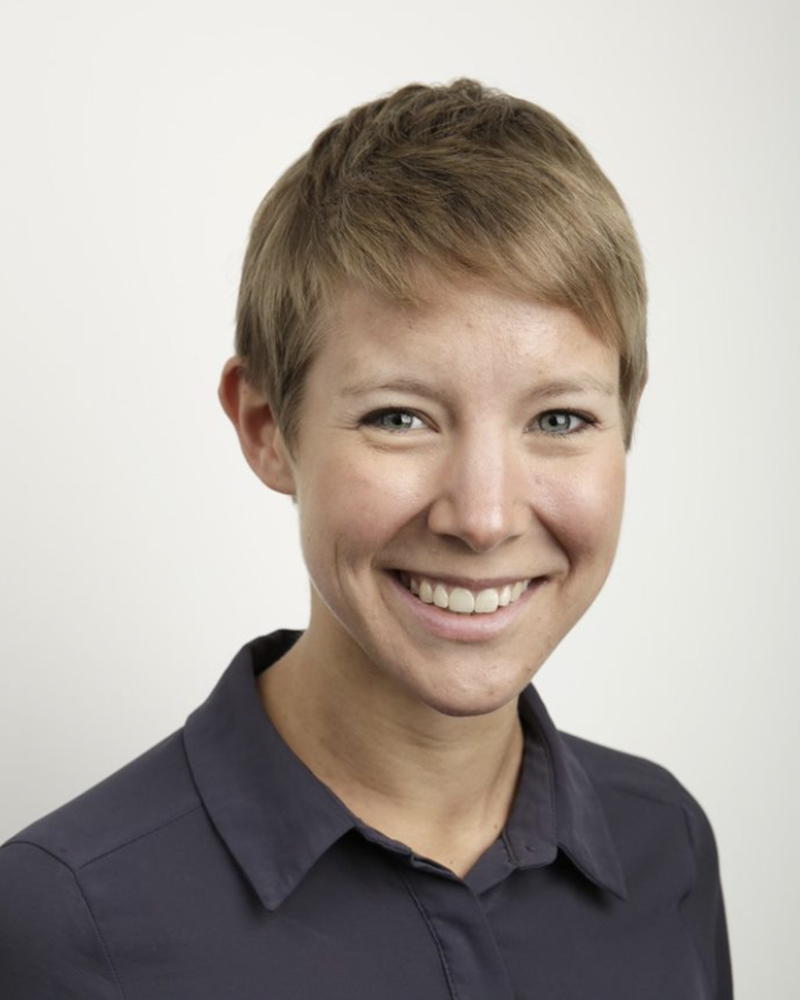
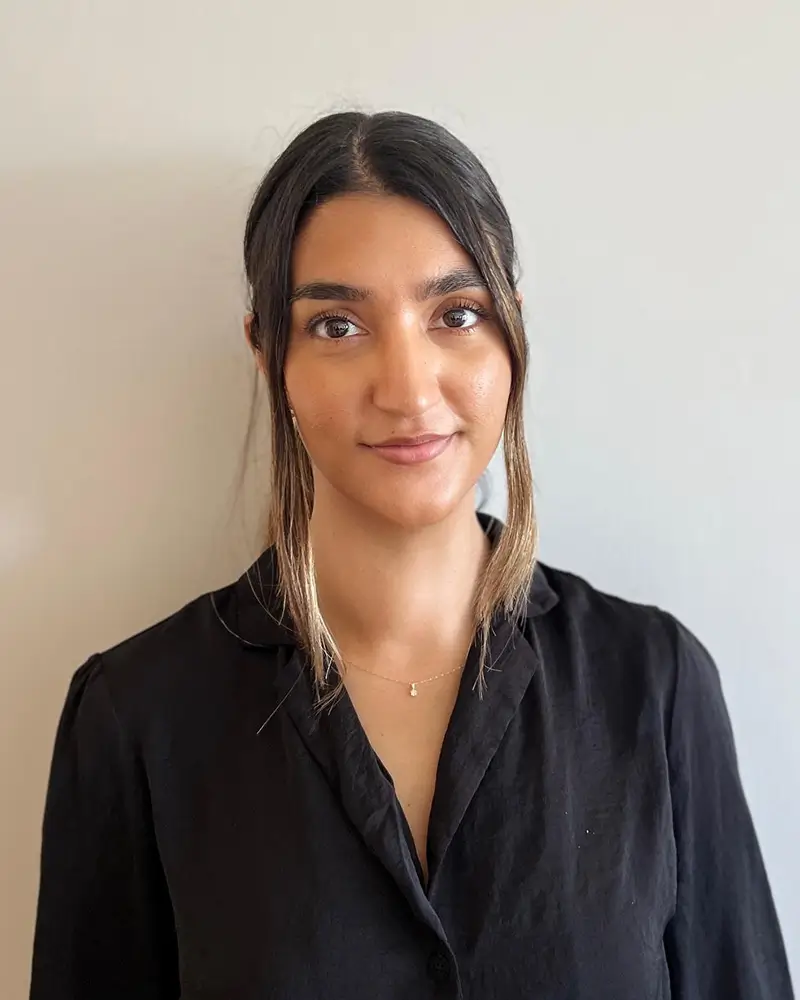
Our team of highly experienced psychologists specialise in treating all types of eating disorders. Alongside their work at The Fitzrovia Psychology Clinic, each team member has worked in specialist NHS eating disorder services, often in senior leadership roles. Our team members bring a wealth of experience, having been part of treatment innovation and research, driving advancements that improve the effectiveness of care and enhance client outcomes.

ANOREXIA SERVICE FAQS

How can I help someone with an eating disorder?

If you or someone you know is struggling with anorexia, it’s important to speak up and seek help as early as possible. Your GP is a good first step, as they can carry out a physical assessment to ensure your safety and guide you towards the right specialist services.

Support is available in many forms. Outpatient services can provide a combination of dietetic guidance, activity support and psychological therapy. Day hospital programmes offer supervised meals, and inpatient care is available when more intensive support is needed. Community eating disorder teams can also provide advice on a range of conditions.

For milder concerns, evidence-based self-help programmes can be effective. Your GP remains the best starting point, and additional information and support can be found on Beat, the UK’s eating disorder charity and on the Fitzrovia website

Can I refer myself, or do I need to be referred by a doctor?

Your GP, psychiatrist or another professional can refer you to the Fitzrovia Psychology Clinic, or you can contact us directly. It is important to know however, that even if you self-refer, we are obliged to request and confirm your consent to liaise and share information with your GP and/or psychiatrist before we can proceed.

Can I choose which therapist I work with?

Absolutely. In your initial enquiry, please specify if you have a preference for a therapist that you would like to work with, and we will do our best to arrange this. We will, however, advise if another therapist may be better suited to offering therapy for your particular needs, as each therapist has their own area(s) of speciality.

Who can I contact in an emergency?

Who can I contact in an emergency?

  • Please note that The Fitzrovia Psychology Clinic is not a crisis service and does not offer emergency care.
  • If you are feeling suicidal, are at risk of harming yourself or others, or believe someone else may harm you, please seek immediate help by: Calling 999
  • Going to your nearest A&E department
  • Contacting your local NHS Crisis Resolution Team (CRT)
  • Visiting your GP
  • For further crisis support and advice, click here.

You can also reach out to the following support services:

  • NHS 111 (24/7) – Call 111
  • Samaritans (24/7) – Call 116 123
  • BEAT Eating Disorder Helpline – Call 0808 801 0677 (12– 8 pm weekdays / 12– 4 pm weekends)
  • BEAT Youthline (under 25s) – Call 0808 801 0811
  • BEAT Studentline – Call 0808 801 0711
  • CALM (for men) – Call 0800 58 58 58
  • National Domestic Violence Helpline – Call 0808 2000 247
  • ChildLine (children and young people) – Call 0800 11 11
  • NSPCC – Call 0808 800 5000
  • Shout (24/7 text support) – Text 85258
Do you accept health insurance?

Yes, we work with all major individual health insurance providers, including Bupa, AXA, WPA, Aviva, Cigna and others. If you are unsure whether your insurance is accepted, please contact us directly to confirm.

Can I enquire about therapy for someone else?

Yes, you are welcome to contact the clinic on behalf of yourself, your child, a partner, family member, or someone you are supporting. We regularly receive enquiries from parents, carers, and loved ones, and our team will be happy to guide you through the process of arranging support for someone else if appropriate.

How long do appointments last?

The initial telephone consultation will last up to 15 minutes in duration.

Assessment appointments and routine sessions following this will last between 45 and 50 minutes, depending on the clinician.

There may be times when extended sessions are required in order to complete the tasks of therapy. This will be arranged in advance between you and your clinician.

image of people sat on field
  • I will always be grateful to Sabrina and thankful for the opportunity to realize my worth and to be able to do what I've always wanted to. This is possible because of all the help and work she did with me, I'm nearly one year clean too!

    Former Client

  • Hannah was a fantastic support. She was able to remain 1 step in front of me, whilst never giving me the impression she was leading me down a path. She nudged me in the right directions, letting me find answers to my own questions, whilst remaining fluid and responsive to my immediate needs.

    Former Client

  • Sabrina's patience and commitment have been very much appreciated. Know that you are amazing at your job and you do make changes and positive differences in people's lives. Thank you doesn't cut it really.

    Former Client