THERAPY FOR SELF-HARM – LONDON
AT THE FITZROVIA PSYCHOLOGY CLINIC

WHAT CAN I EXPECT?

  • Initial Consultation: Discuss your concerns, experiences, and goals with a clinician who specialises in self-harm and related mental health difficulties.
  • Comprehensive Assessment: A detailed assessment exploring personal history, current symptoms, and how self-harm is affecting daily life will be carried out. Assessments are always tailored to the individual to provide the most effective care.
  • Clear, Thoughtful Feedback: Receive a thorough explanation of findings, including whether symptoms meet criteria for self-harm-related mental health conditions.
  • Personalised Treatment Plan: Collaboratively develop a treatment plan using evidence-based management techniques and therapies such as Cognitive Behavioural Therapy (CBT) and Dialectical Behaviour Therapy (DBT) or other specialist approaches, aligned with your needs and goals.
  • Supportive and Efficient Care: Access high-quality care and confidential support with flexible appointment options, including in-person sessions in London or online therapy where appropriate.
Theraphy

DIAGNOSIS AND TREATMENT

At The Fitzrovia Psychology Clinic, treatment for people who self-harm involves seeing a psychologist to help develop a joint understanding of the function of your self-harming behaviour, in addition to discussing your thoughts and feelings, and how these affect your behaviour and wellbeing. It may involve professional treatment such as CBT and DBT to teach you new skills and discover alternative coping mechanisms that help prevent further episodes of self-harm. If you think you may be at risk of self-harm, it is important that you have a specialist assessment and access urgent help.

Book a Consultation

Meet the Team

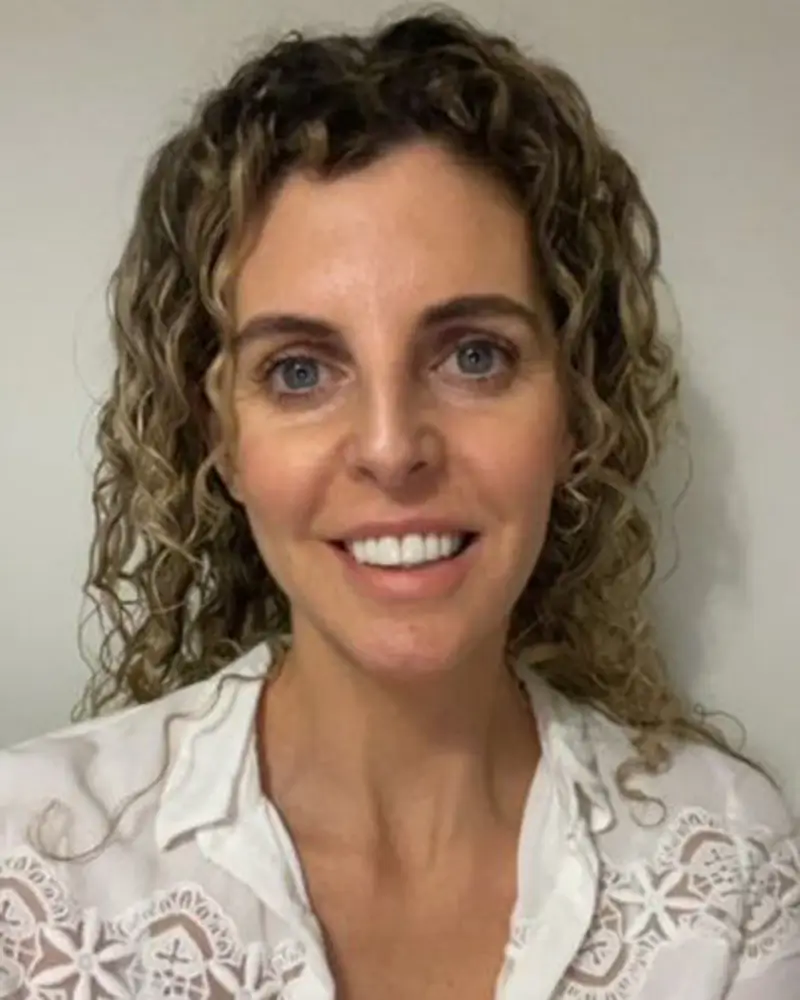
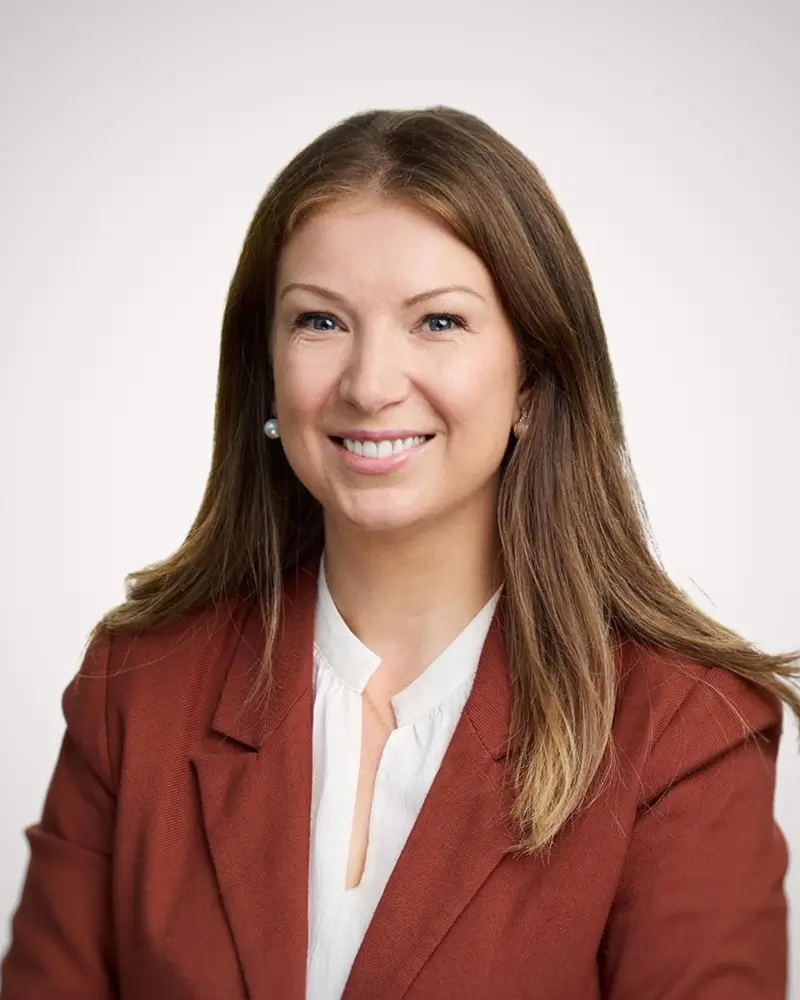
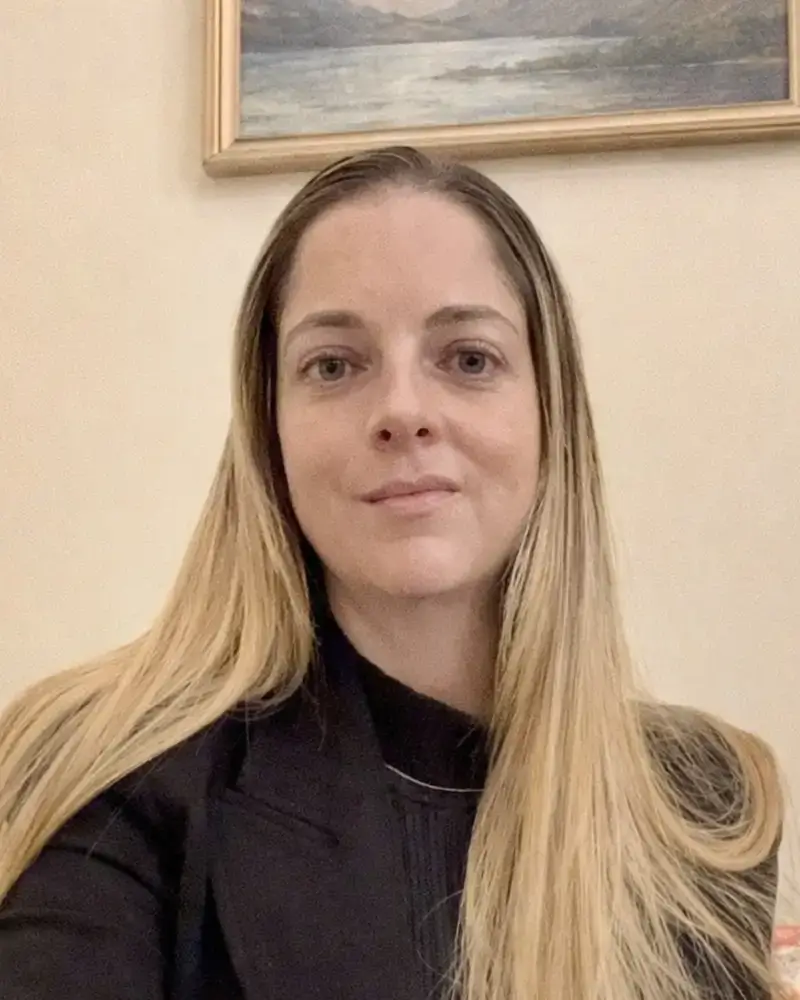
You’re in expert hands at The Fitzrovia Psychology Clinic. Our team of highly experienced clinical and counselling psychologists — many with NHS backgrounds — specialise in general and complex mental health difficulties. Respected in the UK and internationally, our clinicians are known for their empathy, clinical expertise, and dedication to helping individuals and families achieve lasting positive change.

Dr J. Davidson

Dr J. Davidson

Team Lead of The General Adult Mental Health Team | Clinical Psychologist

Dr A. Hayes (nee Rigg)

Dr A. Hayes (nee Rigg)

Founder of The Fitzrovia Psychology Clinic | Consultant Clinical Psychologist

Dr E. Alteirac (Nee Smyth)

Dr E. Alteirac (Nee Smyth)

Co-Founder | Clinical Psychologist | Team Lead of The Trauma Team

Dr L. Viney

Dr L. Viney

Co-founder | Clinical Psychologist | Team Lead of The Schema Team

Dr H. Stringer

Dr H. Stringer

Clinical Psychologist

Dr V. Khurana

Dr V. Khurana

Clinical Psychologist

Dr M. Esposito

Dr M. Esposito

Clinical Psychologist

Dr C. Eilender

Dr C. Eilender

Clinical Psychologist

Dr H. Scanlon

Dr H. Scanlon

Clinical Psychologist

Dr H. Westwood

Dr H. Westwood

Clinical Psychologist

Dr G. Menzies

Dr G. Menzies

Clinical Psychologist

Dr K. Watchorn

Dr K. Watchorn

Clinical Psychologist | Team Lead of The Perinatal and Child Team

Dr S. Appadoo

Dr S. Appadoo

Counselling Psychologist | Team Lead of The DBT Team

Dr S. Russ

Dr S. Russ

Clinical Psychologist

Dr C. Bonner

Dr C. Bonner

Clinical Psychologist | Team Lead of The Health Psychology Team

Dr F. Washington

Dr F. Washington

Clinical Psychologist

Dr R. Pomfret

Dr R. Pomfret

Counselling Psychologist

Dr C. Cookson

Dr C. Cookson

Clinical Psychologist | Team Lead of The Child and Adolescent Team

Dr G. Brady

Dr G. Brady

Counselling Psychologist | Team Lead of The Eating Disorder Team

Dr L. Marshall

Dr L. Marshall

Clinical Psychologist

Dr N. Khan

Dr N. Khan

Clinical Psychologist

Dr S. Lakin

Dr S. Lakin

Clinical Psychologist

Dr Adam Kadri

Dr Adam Kadri

Clinical Psychologist

Dr A. Hagan

Dr A. Hagan

Clinical Psychologist

Dr F. Maclennan

Dr F. Maclennan

Consultant Clinical Psychologist

Mr J. Sheppard

Mr J. Sheppard

Psychotherapist

Dr A. Mrkaljevic

Dr A. Mrkaljevic

Counselling Psychologist

Dr K. Azmoodeh

Dr K. Azmoodeh

Clinical Psychologist

Dr T. Licht Musso

Dr T. Licht Musso

Clinical and Counselling Psychologist

Dr J. Shearer

Dr J. Shearer

Clinical Psychologist

Dr G. Bhalla

Dr G. Bhalla

Counselling Psychologist

Dr E. Gibbs

Dr E. Gibbs

Counselling Psychologist

Dr R. Karir

Dr R. Karir

Counselling Psychologist

Dr C. Barry

Dr C. Barry

Clinical Psychologist

Dr D. Lee

Dr D. Lee

Sport and Exercise Psychologist

Dr R. Basile

Dr R. Basile

Counselling Psychologist

Frequently Asked Questions

What is self-harm?

Self-harm or self-injury is when someone deliberately hurts themselves or behaves in ways that could cause themselves serious harm. This can include overdosing on tablets, cutting, burning, hitting themselves or swallowing dangerous objects. It can also include less obvious risky behaviours such as reckless drug use, binge drinking, unsafe sex or restrictive eating.

Why do people self-harm?

There is no single cause for self-harm. Self-harm often starts in childhood and increases in adolescence but can happen at any age. People who self-harm are in emotional distress and struggle to cope with intense emotions, stress, low self-esteem, trauma, difficult experiences or feelings of numbness. It can also occur alongside other mental health problems such as depression, borderline personality disorder, schizophrenia and eating disorders.

How can I support someone who self-harms?

Signs of self-harm are often hidden, but if you suspect that a family member or someone close to you is hurting themselves, listen to them without judgement. Encourage them to seek support from a mental health professional and offer help to do so. If their injuries are medically serious or you suspect it is a suicide attempt, contact emergency services immediately and ensure you are also safe.

Is self-harm treatment available in the public sector?

Yes. Treatment for self-harm is available through the NHS; however, waiting times can vary, and you may need a GP referral. Private treatment offers quicker access to experienced therapists and personalised support.

What techniques are used in therapy for self-harm?

Therapy for those who self-harm may include CBT, DBT, Schema Therapy, emotional regulation skills, coping skills, problem-solving and safety planning in the event of a relapse. Treatment focuses on understanding the reasons for self-harm and developing safe and healthy ways to cope.

image of people sat on field

Start Your Journey Today

Get In Touch
  • Jonathan is fantastic. I found our sessions to be a very calm environment that really helped me to reset each week. Jonathan really builds a great rapport, and is very practical and realistic during the process. I could not recommend him more!

    Former Client

  • I am extremely grateful for the care Allison showed me during our sessions. She always adapted sessions to match my needs and demonstrated a real understanding of the difficulties I was facing. Her openness and kindness meant that trust was developed very quickly, and I would have no hesitation in seeing her again should I ever need to.

    Former Client

  • The early stages showed me that Emily truly cares about helping other people. I was hesitant to start sessions, but Emily remained consistent with reaching out and always remained patient and understanding. The depth and structure of the sessions was incredible, I’ve never worked with a therapist who has left me feeling like I understand and appreciate to I am to such a level.

    Former Client