CHILDHOOD ANXIETY

TREATMENT AT THE FITZROVIA

PSYCHOLOGY CLINIC

WHAT CAN I EXPECT?

  • Initial Consultation: A gentle first step where you share your concerns and family history with a clinician specialising in child and adolescent mental health.
  • Comprehensive Assessment: A structured yet child-friendly assessment exploring symptoms, triggers and daily impact.
  • Insightful Feedback: Clear explanation of findings, including whether your child is experiencing an anxiety disorder and what might be influencing their symptoms.
  • Personalised Support Plan: A tailored pathway designed around your child’s needs. This may include therapy, family support, school guidance, or onward referrals.
  • Faster Access to Care: Avoid long NHS wait times and receive results and treatment options within weeks, not months.
Theraphy

DIAGNOSIS AND TREATMENT

Anxiety can affect children differently, sometimes appearing as clinginess or tummy aches in younger children, or through school avoidance and social pressure in teens.

Our clinicians understand these age-specific challenges and provide: Evidence-based therapy, including CBT for anxiety, Family guidance, helping parents support children at home, Support around school and learning environments.

Every treatment plan is personalised to help children feel safer, calmer and more confident and to empower families with tools that make a difference every day.

15-MINUTE INITIAL CONSULTATION

Following your initial enquiry, we will schedule a brief telephone consultation with you in order to gather some basic information about you, your needs and goals.

A COMPREHENSIVE ASSESSMENT

A comprehensive assessment typically lasts between 60 and 90 minutes and provides a rounded understanding of your child’s experience. During this appointment, your clinician will explore the symptoms and patterns of anxiety, your child’s developmental and family history, and any recent or ongoing stressors such as school pressures, friendship dynamics, or changes at home. The assessment also considers emotional, cognitive, and physical signs to build a clear picture of what your child is facing and what support may be most helpful.

A PERSONALISED TREATMENT PLAN

Experience evidence-based therapies that are always tailored to your needs and goals, delivered by specialists who remain at the clinical forefront.

Book a Consultation

Meet the Team

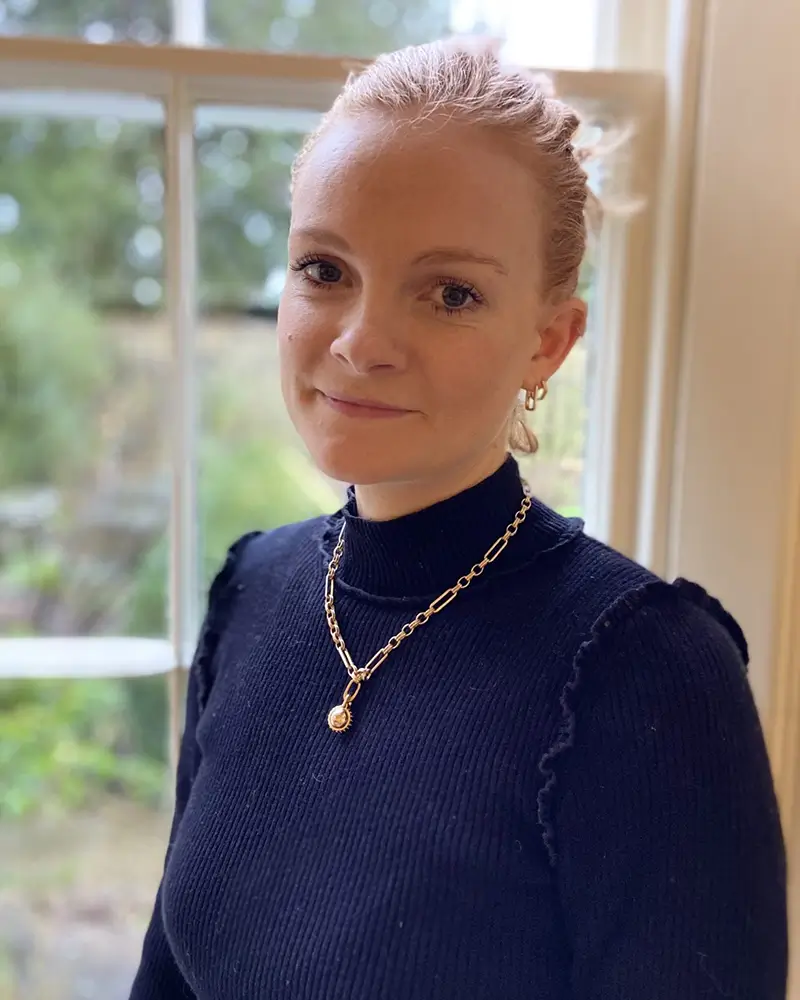
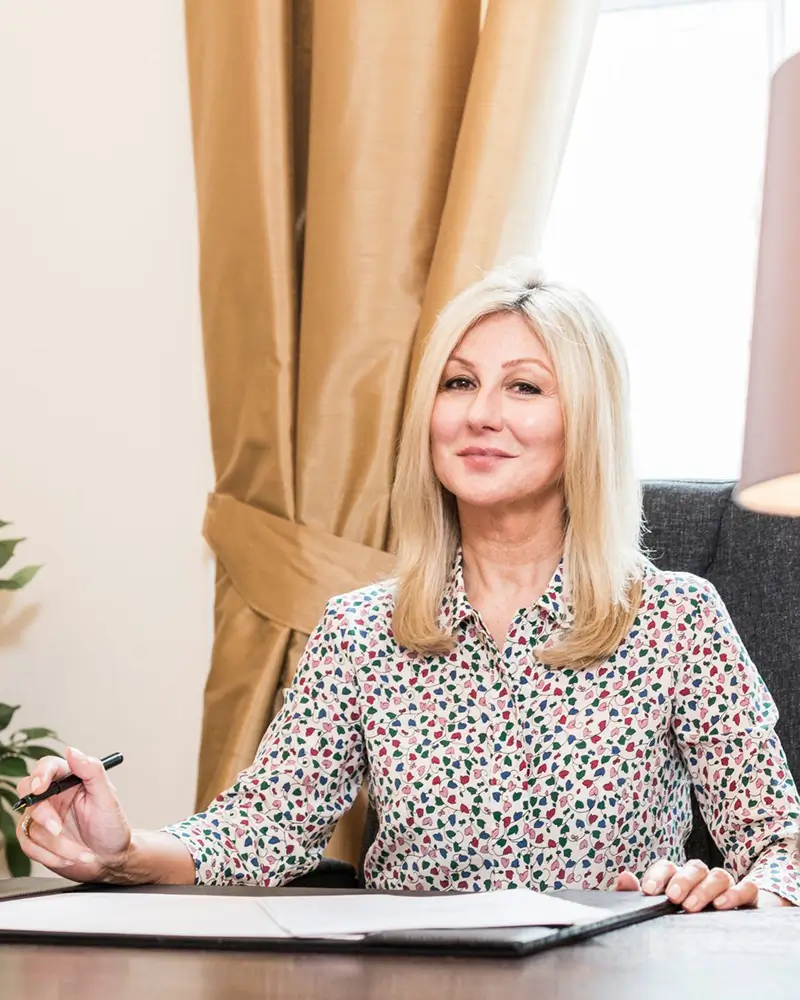
You’re in good hands at The Fitzrovia Psychology Clinic. Our team of experienced clinical and counselling psychologists, many with NHS backgrounds, specialise in childhood anxiety and deliver expert assessments for children. We provide clear, fast results and personalised support to help you understand your child’s symptoms and plan the next steps for their mental health and wellbeing.

Childhood Anxiety Disorder Treatment at The Fitzrovia Psychology Clinic

What are common signs of anxiety in children?

Children may show anxiety in different ways, including difficulty concentrating, trouble sleeping or nightmares, changes in appetite, irritability or emotional outbursts, clinginess, or frequent crying. Physical complaints such as tummy aches, nausea, or needing the toilet often are also common.

Can anxiety look different depending on age?

Yes. Younger children often show separation anxiety, finding it difficult to be away from a parent or caregiver. Older children and teenagers are more likely to experience worries linked to school, friendships, social situations or academic pressure.

How can I support my anxious child at home?

Open conversations and reassurance make a significant difference. Let your child know they can talk to you about their worries, help them recognise their feelings, and maintain calming routines around sleep, meals and daily structure.

Will my child’s anxiety go away on its own?

Many children go through anxious phases that improve over time, particularly when a parent offers reassurance and emotional support. However, persistent anxiety that impacts daily life may require professional help.

When should I seek professional support?

It may be time to reach out for expert guidance if your child’s anxiety is not improving, is getting worse, or is affecting school, friendships, family life or sleep. Professional support can offer strategies and structured therapy to help your child feel more secure and confident.

What causes anxiety in children?

Experiences such as school stress, bullying, constantly shifting house or school, illness or family changes may contribute. Some children are more sensitive by temperament, or may learn anxious behaviour from others.

image of people sat on field

Start Your Journey

Get In Touch
  • I will always be grateful to Sabrina and thankful for the opportunity to realize my worth and to be able to do what I've always wanted to. This is possible because of all the help and work she did with me, I'm nearly one year clean too!

    Former Client

  • Hannah was a fantastic support. She was able to remain 1 step in front of me, whilst never giving me the impression she was leading me down a path. She nudged me in the right directions, letting me find answers to my own questions, whilst remaining fluid and responsive to my immediate needs.

    Former Client

  • Sabrina's patience and commitment have been very much appreciated. Know that you are amazing at your job and you do make changes and positive differences in people's lives. Thank you doesn't cut it really.

    Former Client