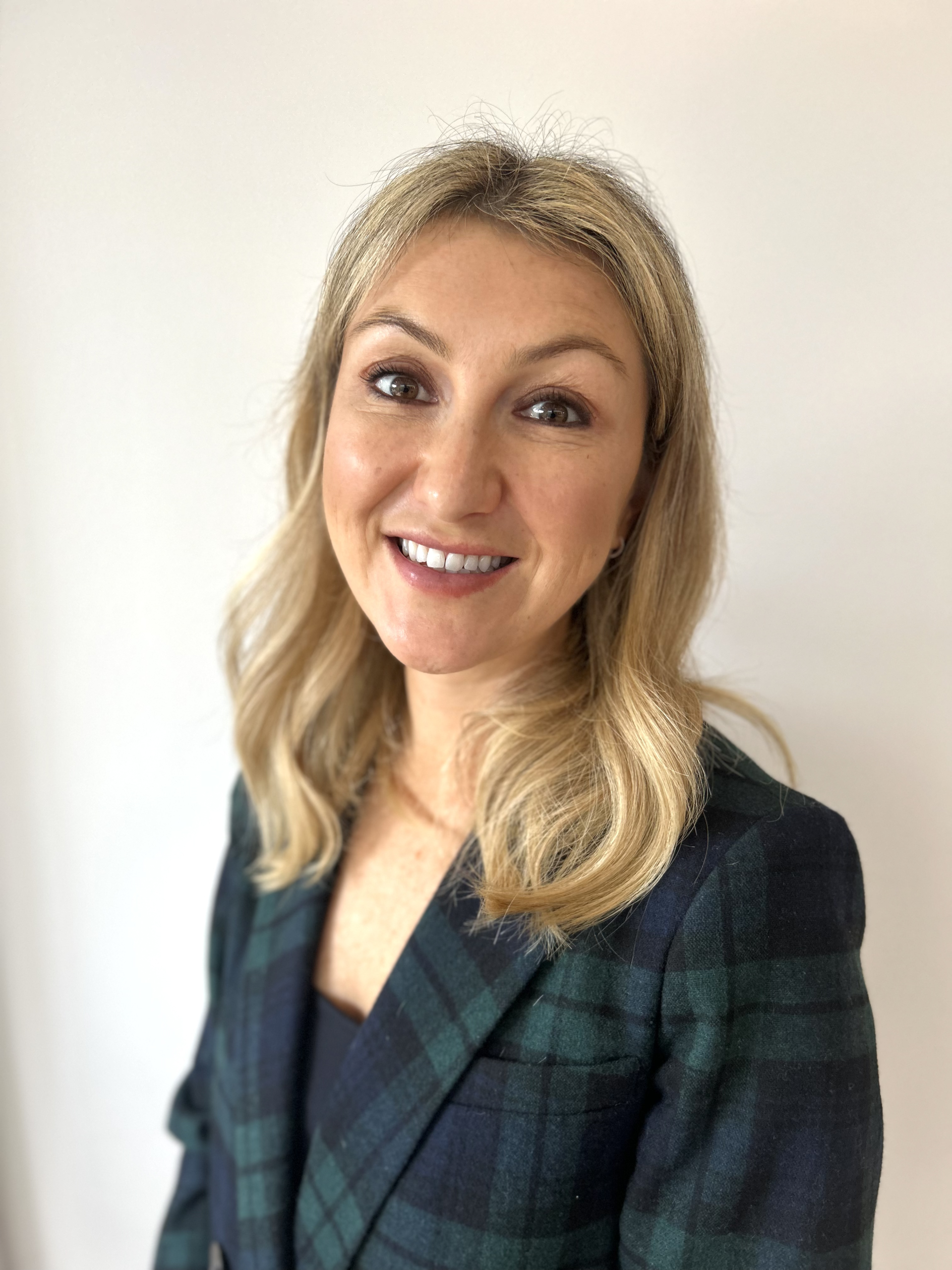
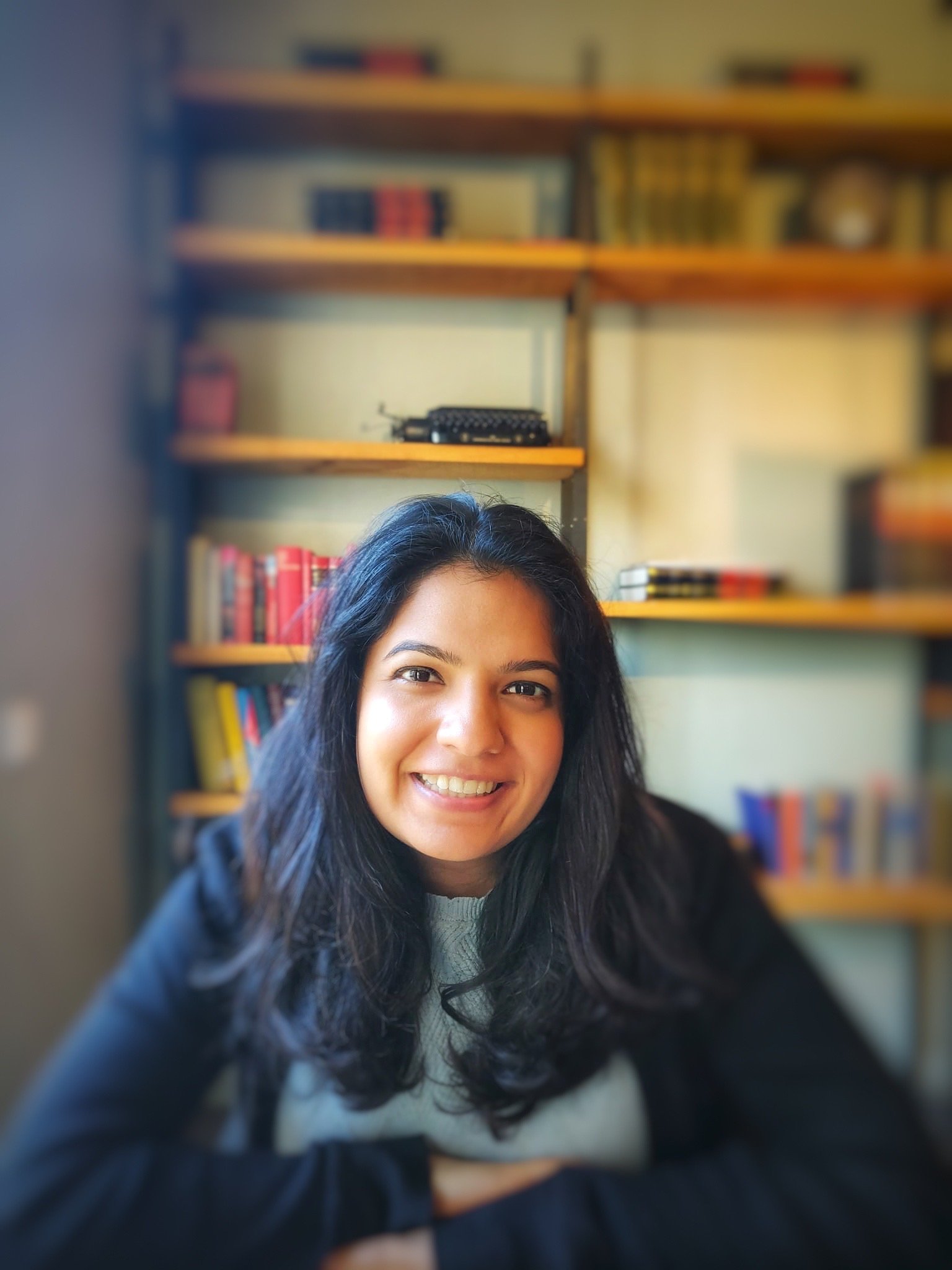
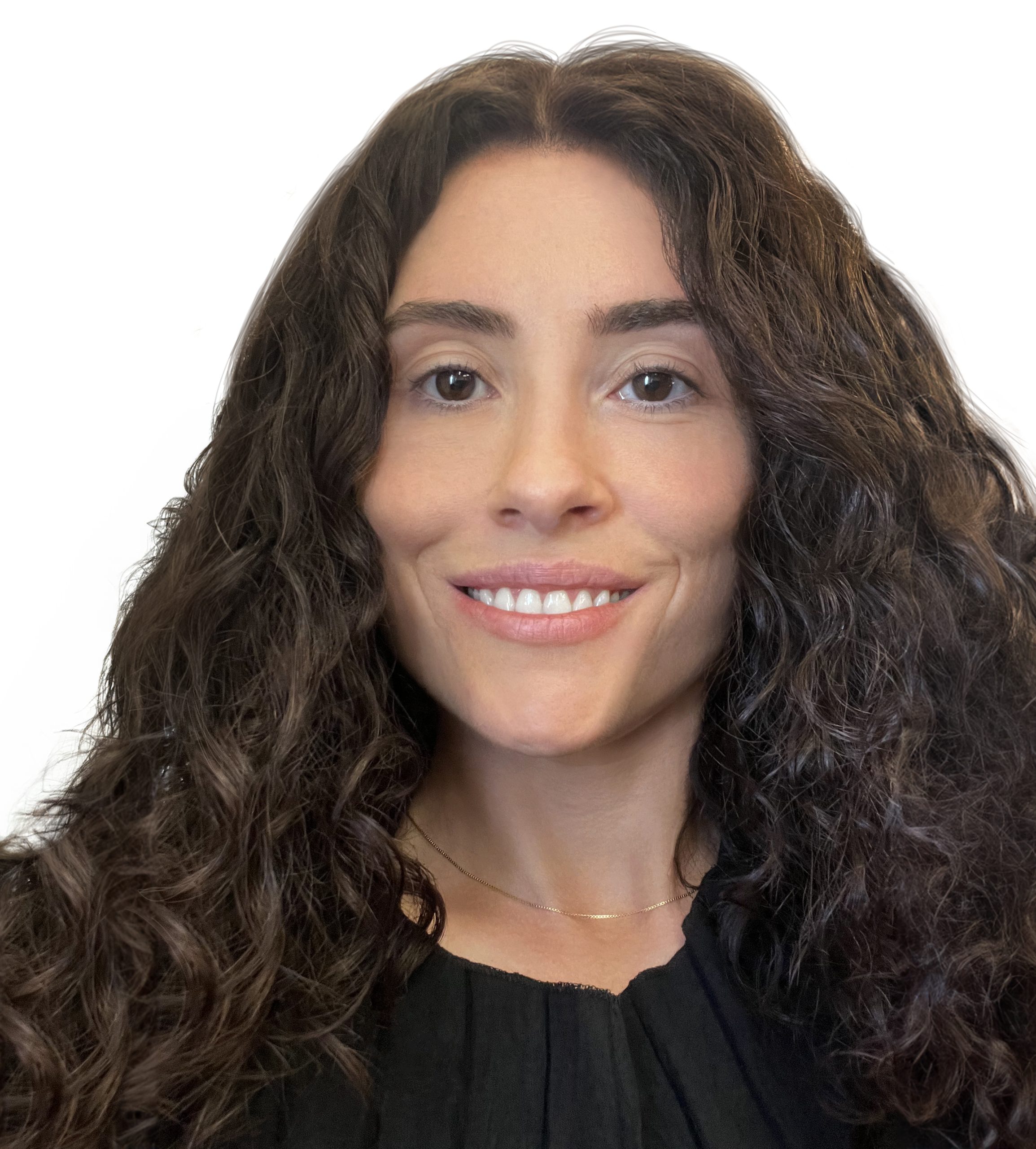
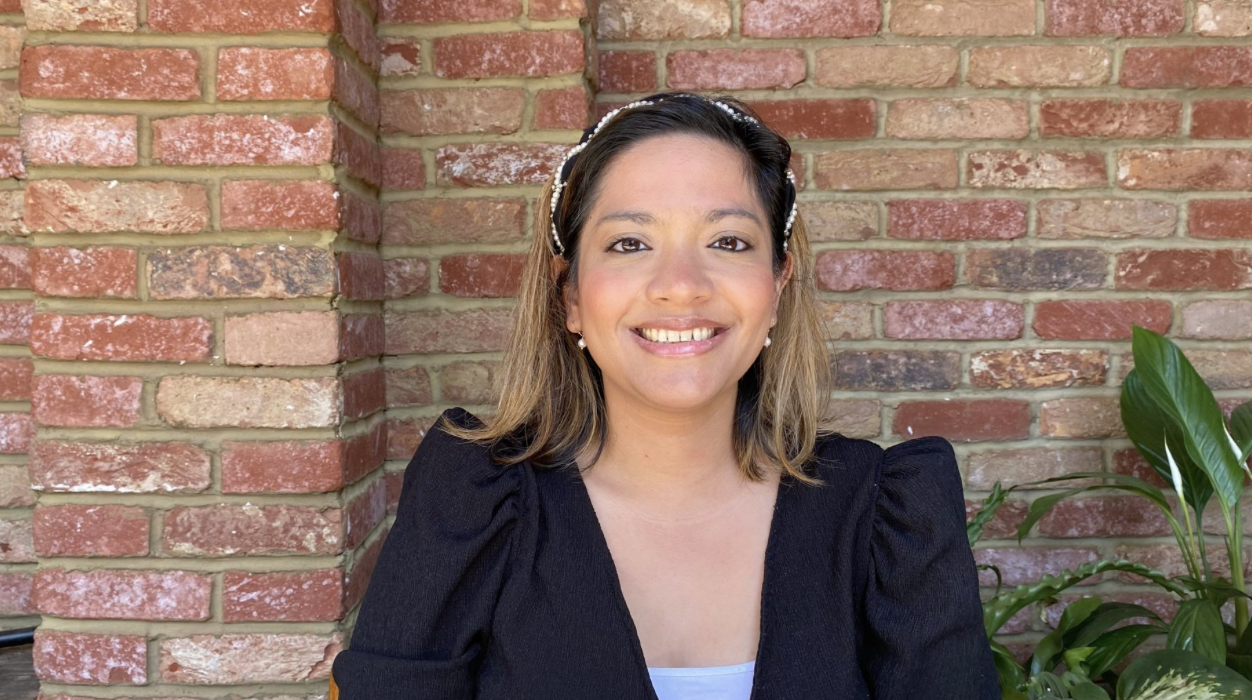
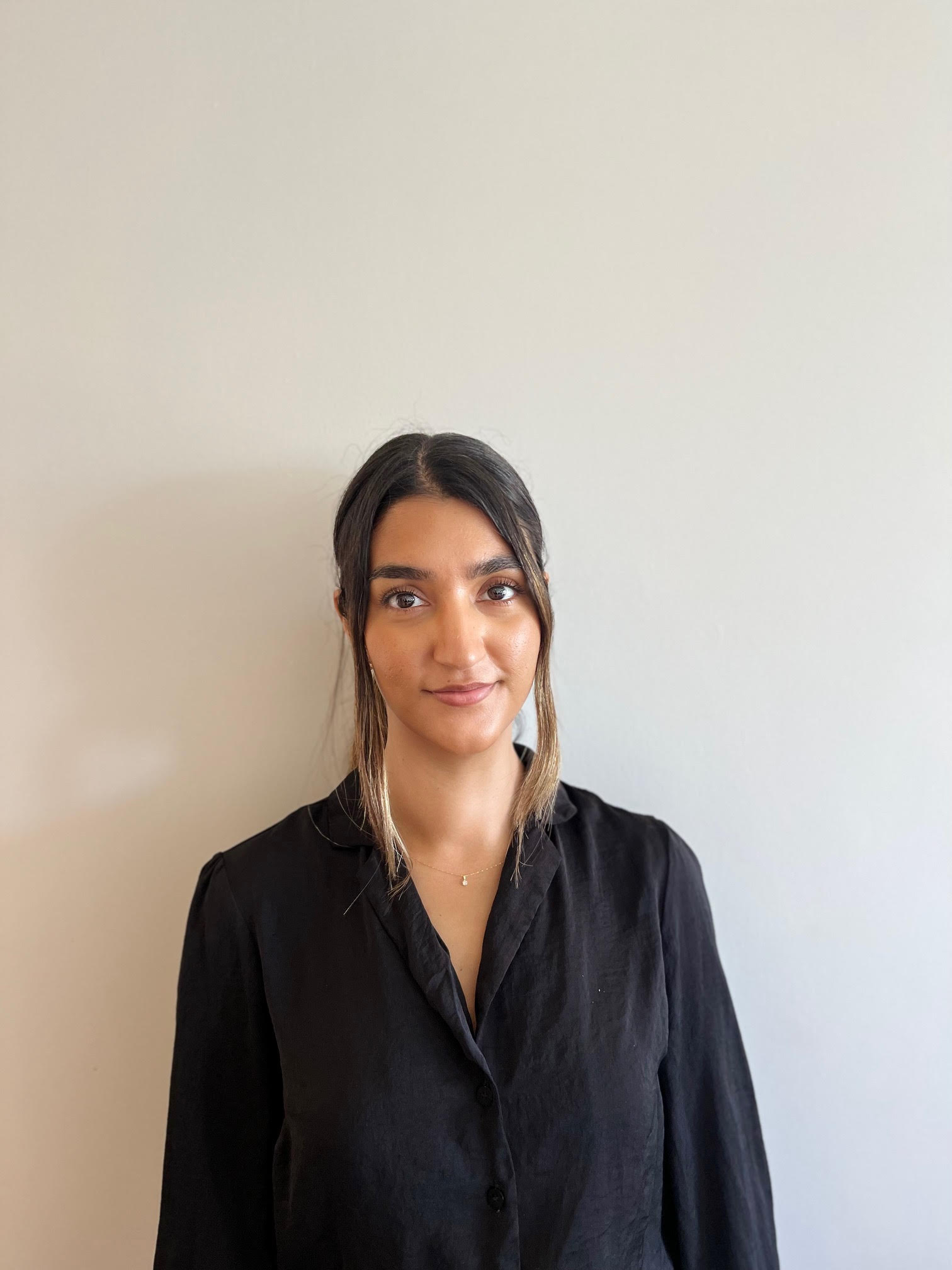
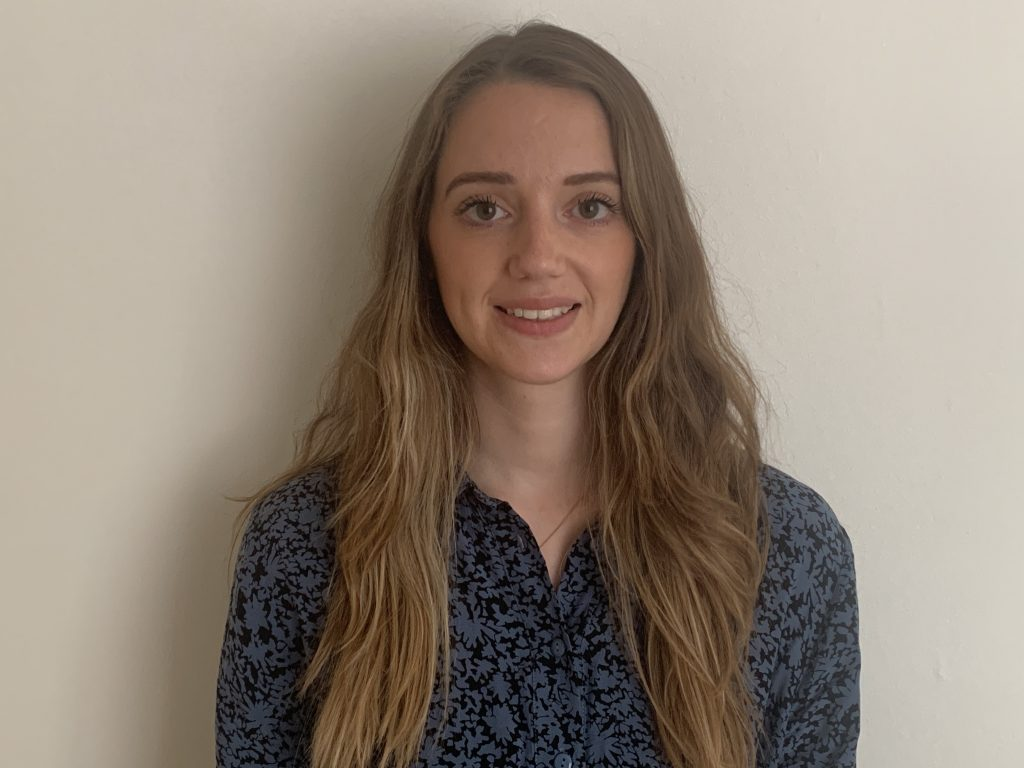
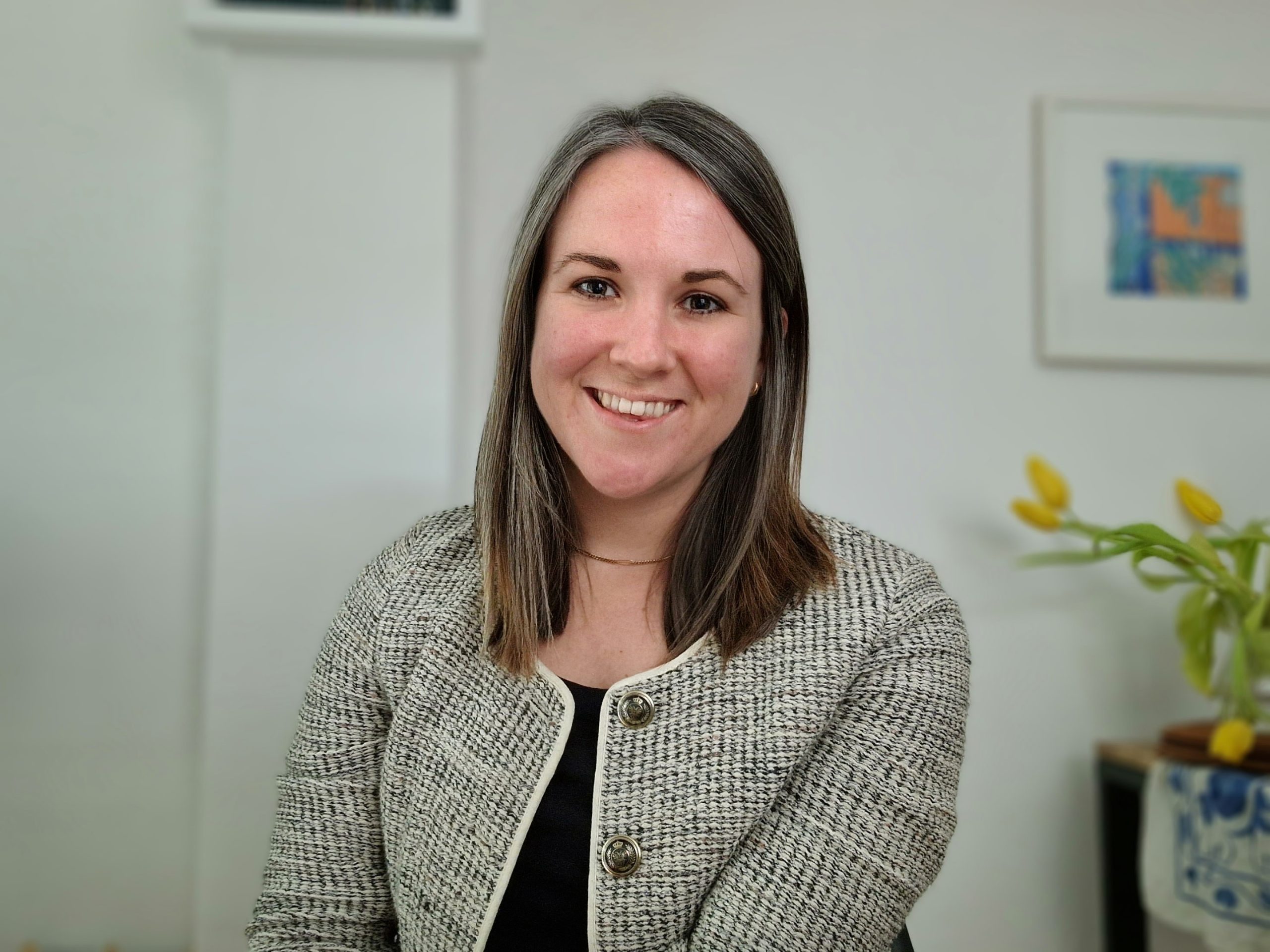
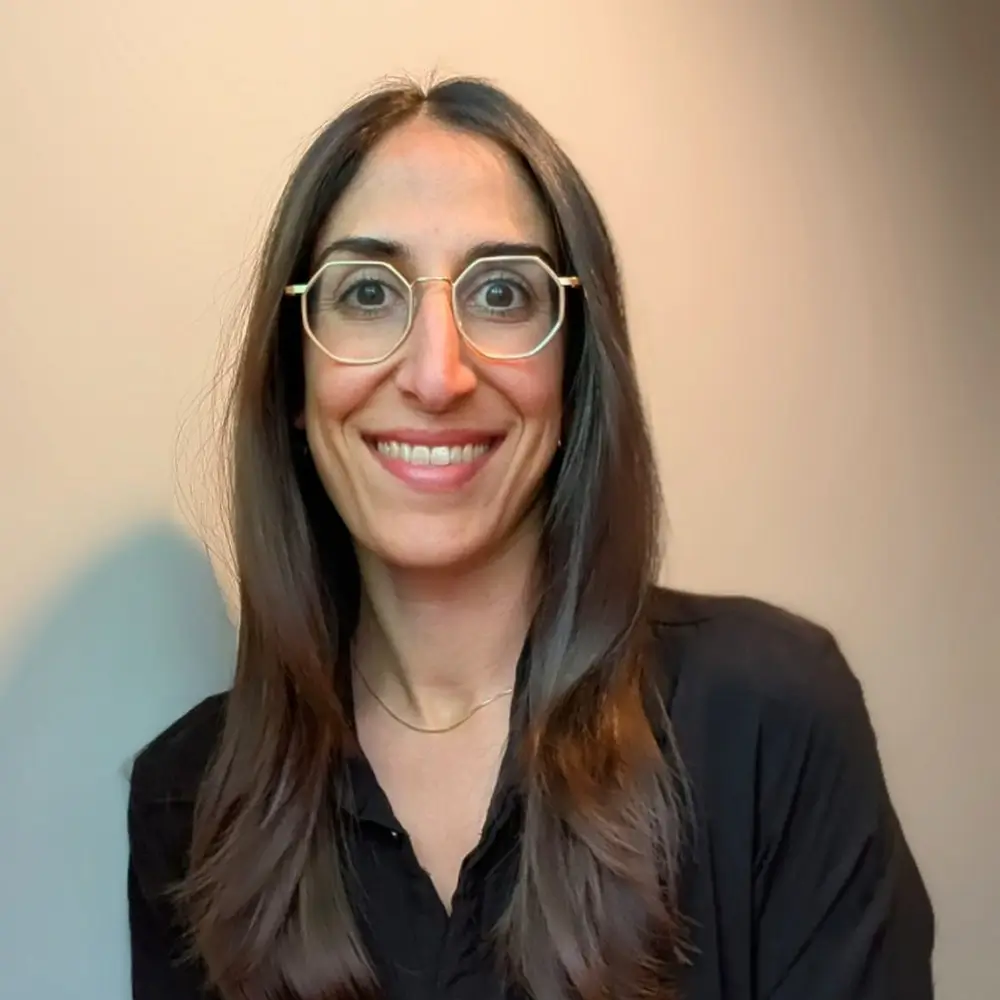
Dr Jasmine Shingadia is a Principal Counselling Psychologist and a Clinical Lead holding registrations with the British Psychological Society (BPS) and the Health and Care Professionals Council (HCPC). After graduating with first-class honours in Psychology, she pursued her doctoral training, emerging as a qualified Counselling Psychologist. Jasmine has considerable specialist knowledge and experience in various mental health conditions, having delivered evidence-based therapies and interventions to adults and adolescents in NHS clinical settings and the private sector.
Jasmine’s passion lies in assisting individuals to make sense of themselves and their lives, fostering growth and achieving their full potential. Central to her approach is the therapeutic relationship based on respect and equality, prioritising empowered choices in healing and growth. Providing a secure, non-judgemental space to explore thoughts and feelings, Jasmine offers attentiveness, empathy, and respect whilst providing evidence-based interventions. Acknowledging the significance of social and relational contexts, she has had the privilege of aiding individuals from diverse backgrounds in achieving their personal and emotional well-being goals.
Dr Jasmine Shingadia has been working with children aged eight and above through to adolescence since 2015. She enjoys supporting young people with a wide range of mental health difficulties, including depression, anxiety, OCD, trauma, eating disorders, and challenges with mood and emotional regulation. Jasmine takes a warm, child-centred approach, ensuring each young person feels heard and understood. She also values working closely with parents and guardians, involving them at a level that helps best support the child throughout their therapeutic journey.
Specialising notably in eating disorders, Jasmine’s expertise is underscored by her work at leading NHS and private eating disorder services with both adults and adolescents. Her proficiency extends to the treatment of various eating disorders, including Anorexia Nervosa, Bulimia Nervosa, Binge Eating Disorder, Other Specified Eating Disorders (OSFED), and Avoidant Restrictive Food Intake Disorder (ARFID). Additionally, she is adept at working with individuals on the autism spectrum, tailoring therapy to their specific needs. Her doctoral thesis, delving into the impact of social media on body image and eating, informs her practice by integrating the latest clinical research in this domain. Beyond her specialisation in eating disorders, Jasmine is highly experienced in a range of mental health conditions, including:
- Depression
- Anxiety
- OCD
- Panic
- Body Dysmorphia
- Personality Disorders
- Trauma and PTSD
- Emotional and Relationship difficulties
Jasmine works integratively to ensure a customised and holistic approach that aligns with each client’s needs. Her repertoire includes various therapeutic modalities such as Cognitive-Behavioural Therapy, MANTRA, Compassion-Focused Therapy, Psychodynamic Therapy, and Cognitive Analytical Therapy.
“I am incredibly grateful for the support I received at The Fitzrovia Psychology Clinic in my journey overcoming an eating disorder. What I appreciated most was the methodical and thoughtful approach Jasmine took, as well as being given the choice to explore the type of treatment that felt right for me. The therapy was holistic, combining talking sessions with additional resources to educate me about nutrition and meal planning, which made me feel supported both emotionally and practically.” Former Client
“I am so grateful for the incredible support I’ve received from my eating disorder counsellor, Jasmine. She has been so patient, understanding, and genuinely caring throughout my journey. Jasmine has always been there for me by being responsive and attentive whenever I’ve needed guidance or reassurance. Thanks to her amazing support, I’ve been able to make real progress and feel so much more hopeful about my recovery. I truly couldn’t have done this without her kindness and dedication.” Former Client
“Working with Jasmine has been a transformative experience. I initially sought her support for eating disorder recovery, but our sessions evolved into exploring many aspects of how I think, relate, and move through the world. She creates a space that feels safe, compassionate, and easy to open up in. Her insights are thoughtful and often illuminate patterns I didn’t even realize I had. So many unconscious habits and beliefs came to the surface through our work, and she helped me understand them without judgment. She has often followed up with meaningful resources and reflections that extend the work beyond sessions, which has been something I’ve very much appreciated. Most importantly, I now have practical tools I can carry forward, which I feel set me up for long-term success. Today, I feel more intentional, grounded, and empowered in my life because of the guidance she’s provided.” Former Client
“I’ve been seeing Dr Jasmine Shingadia for three months and I can honestly say she has made a real difference in how I understand and manage my mental health. What I appreciate most is how clearly she explains things — she takes the time to help me understand what’s going on, both emotionally and physiologically, in a way that feels accessible.
Our sessions strike a great balance between exploring the underlying reasons for how I feel and focusing on practical, actionable steps I can take to regulate my nervous system and navigate challenges in daily life. I always leave with a clear plan and a sense of direction, which has helped me feel more in control and optimistic about my situation.
Dr Shingadia combines empathy with structure in a way that feels both supportive and constructive. I’m very grateful for her guidance and would highly recommend her to anyone looking for a psychiatrist who takes a thoughtful, practical, and holistic approach to care.” Former Client