POSTNATAL DEPRESSION SUPPORT
AT FITZROVIA PSYCHOLOGY CLINIC

WHAT CAN I EXPECT

  • Initial Consultation
    A confidential space to talk openly about how you are feeling, your mood, sleep patterns, anxiety, and your relationship with your baby.
  • Comprehensive Assessment
    We explore emotional wellbeing, mental health history, possible triggers, and any related conditions, including anxiety or postpartum psychosis. Physical factors such as thyroid issues or anaemia are also considered.
  • Clear, Thoughtful Feedback
    After the assessment, we explain findings with care and understanding. We provide guidance on how postnatal depression may be affecting you and discuss options for support.
  • Personalised Treatment Plan
    Treatment is tailored to your needs. Options may include guided self-help, structured talking therapies such as cognitive behavioural therapy (CBT) or interpersonal therapy, lifestyle strategies, and, where appropriate, medication.
  • Supportive and Ongoing Care
    Therapy can last weeks or months, depending on your needs. We provide consistent, high-quality support in a safe environment, with appointments available in person in London or online.

DIAGNOSIS AND TREATMENT

Postnatal depression can affect any parent and may arise for a variety of reasons, including previous mental health difficulties, stressful life events, a lack of support, or the challenges of adjusting to life with a new baby. Symptoms can appear anytime in the first year after birth and may include persistent low mood, fatigue, anxiety, irritability, difficulty bonding with your baby, and trouble concentrating or making decisions.

At The Fitzrovia Psychology Clinic, treatment is personalised and may include self-help strategies, guided talking therapies such as cognitive behavioural therapy (CBT) or interpersonal therapy, and, where appropriate, antidepressant medication. Our goal is to provide practical, evidence-based support so that you can recover at your own pace and regain confidence, and strengthen your connection with your baby.

15-minute initial consultation

Following your initial enquiry, we will schedule a brief telephone consultation with you in order to gather some basic information about you, your needs and hopes and goals.

A comprehensive assesment

Our private mental health assessment typically involves a 60-90 minute consultation with one of our senior clinicians. You will be asked about your mental health history, current symptoms, physical health, lifestyle factors, and any previous experiences with therapy.

A personalised treatment plan

Experience evidence-based therapies that are always tailored to your needs and goals, delivered by specialists who remain at the clinical forefront.

Book a Consultation

MEET THE TEAM

The Fitzrovia Psychology Clinic’s senior clinical and counselling psychologists specialise in supporting adults with postnatal and antenatal depression, anxiety, and related conditions. The team combines professional expertise with warmth and understanding, ensuring care is both personal and goal-focused.

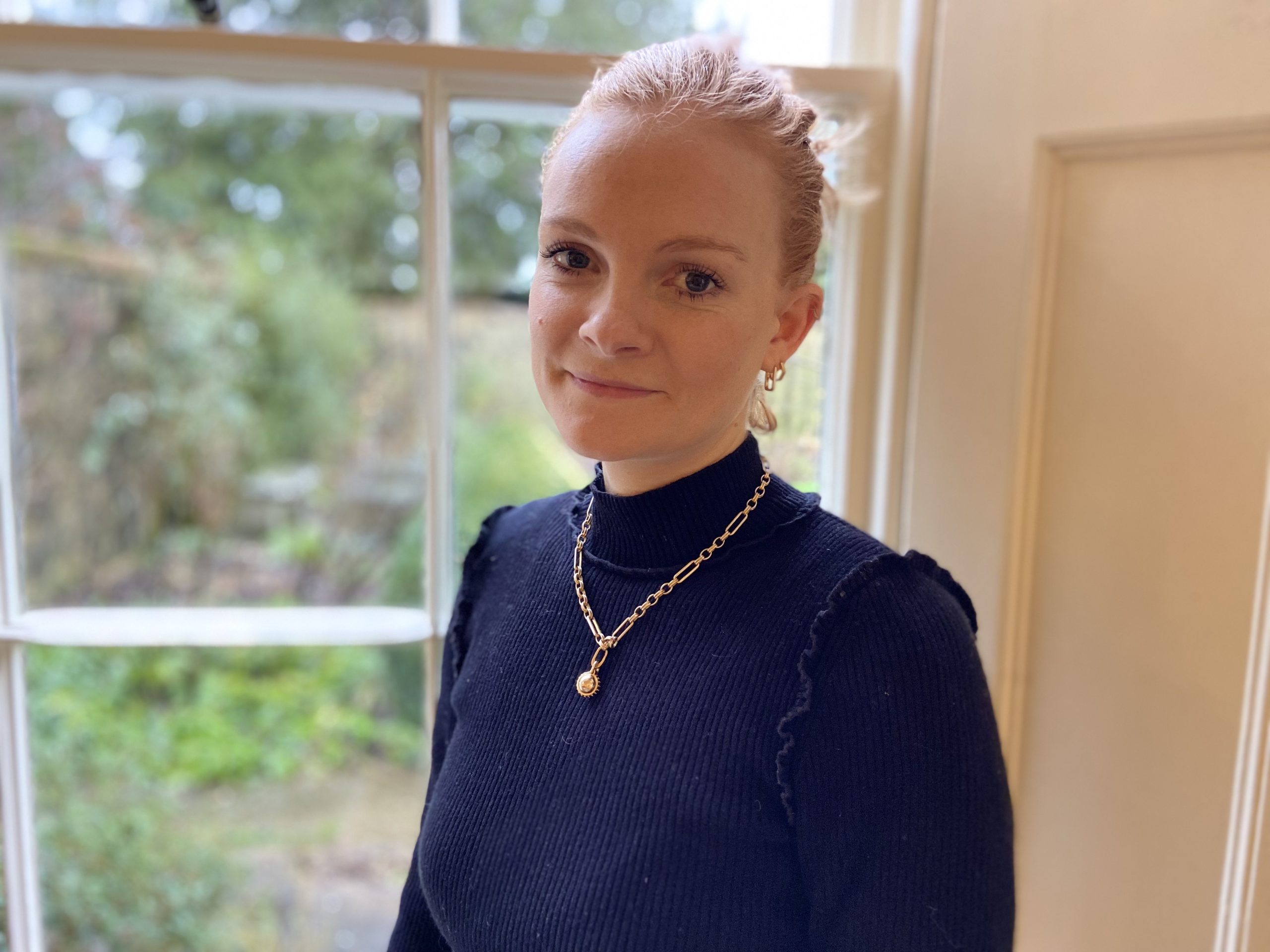
Kate

Dr Kate Watchorn

Clinical Psychologist | Team Lead of The Perinatal and Child Team

Dr Camilla Cookson - Clinical Psychologist | Team Lead of The Child and Adolescent Team

Dr Camilla Cookson

Clinical Psychologist | Team Lead of The Child and Adolescent Team

Dr Allison Hayes (nee Rigg) - Founder of The Fitzrovia Psychology Clinic | Consultant Clinical Psychologist

Dr Allison Hayes (nee Rigg)

Founder of The Fitzrovia Psychology Clinic | Consultant Clinical Psychologist

Dr Lycia Forde - Clinical Psychologist

Dr Lycia Forde

Clinical Psychologist

Dr Sara Lakin - Clinical Psychologist

Dr Sara Lakin

Clinical Psychologist

Dr Nadia Khan - Clinical Psychologist

Dr Nadia Khan

Clinical Psychologist

FREQUENTLY ASKED QUESTIONS – POSTNATAL DEPRESSION

What is postnatal depression?

A type of depression that can develop anytime in the first year after childbirth. Unlike the “baby blues,” and can affect daily life.

Who can be affected?

While more common in mothers, fathers and partners can also experience postnatal depression.

What causes it?

Causes are multifactorial and may include previous mental health issues, stressful life events, lack of support, hormonal changes, or difficulties adjusting to parenthood.

What are the main symptoms?

Persistent sadness, low mood, loss of interest in activities, fatigue, sleep problems, anxiety, difficulty bonding with your baby, and negative thoughts.

How is it treated?

Treatment may include self-help strategies, structured talking therapies (CBT or interpersonal therapy) and guided self-help courses.

How long does recovery take?

Recovery varies. Some parents improve in weeks with support, while others need more therapy or treatment. With timely support, full recovery is possible.

Can it be prevented?

Maintaining a healthy lifestyle, having a support network, attending antenatal classes, and regular check-ins with healthcare professionals can reduce risk.

image of people sat on field

Start your journey today

Get In Touch
  • "Absolutely the best clinic out there for help & support with any psychological problems you may be facing. The therapists are so compassionate, kind, caring and supportive and make you feel safe from the moment you contact them. Highly recommended."

    Tan Feltham

  • "My experience with Dr Rigg has been amazing. cant highly recommend her and Fitzrovia Clinic enough."

    Gracie Williams

  • "Fitzrovia Psychology Clinic have been incredibly supportive and professional. The psychologists are compassionate and truly dedicated to helping clients grow. Thank to their care, I feel more confident and empowered in my mental health journey."

    Jennifer