SOCIAL ANXIETY DISORDER (SAD) TREATMENT
AT THE FITZROVIA PSYCHOLOGY CLINIC

WHAT CAN I EXPECT?

  • Initial Consultation: Your first appointment provides an opportunity to discuss your concerns, symptoms, and how social anxiety is affecting your daily life. We take time to understand your experiences, the situations you find difficult, and your goals for treatment.
  • Comprehensive Assessment: We carry out a thorough psychological assessment to explore the nature and severity of your social anxiety. This includes understanding when symptoms began, the situations that trigger anxiety, and the thoughts, feelings, and behaviours that may be maintaining the problem.
  • Personalised Treatment Plan: Following your assessment, your clinician will develop an individualised treatment plan tailored to your needs. Treatment recommendations are based on current evidence and designed to help you gradually overcome the fears and avoidance associated with Social Anxiety Disorder.
  • Evidence-Based Therapy: Cognitive Behavioural Therapy (CBT) is one of the most effective treatments for Social Anxiety Disorder. Therapy helps you understand the patterns that contribute to anxiety, develop healthier ways of thinking, and build confidence in social situations through practical strategies and guided support.
  • Ongoing Support: We provide ongoing therapy in a supportive and confidential environment, with appointments available both in person at our London clinic and online where clinically appropriate. Progress is reviewed regularly to ensure treatment continues to meet your needs.
Theraphy

DIAGNOSIS AND TREATMENT

Individuals with SAD often experience persistent and excessive fear of being judged, criticised, or embarrassed by others. This can lead to avoiding situations such as meeting new people, speaking on the phone, eating in front of others, attending social gatherings, or participating in group conversations.

Psychological therapy is an effective treatment for Social Anxiety Disorder. Cognitive Behavioural Therapy (CBT) is a highly recommended approach that helps people understand the thoughts and behaviours that maintain anxiety while developing practical skills to manage symptoms and increase confidence. The number of sessions recommended will be discussed following your assessment and reviewed throughout treatment.

Book a Consultation

Meet the Team

You’re in expert hands at The Fitzrovia Psychology Clinic. Our team of highly experienced clinical and counselling psychologists, many with NHS backgrounds, provide specialist assessment and treatment for anxiety disorders, including Social Anxiety Disorder.

Our clinicians have extensive experience delivering evidence-based psychological therapies, including Cognitive Behavioural Therapy (CBT), and work collaboratively with each individual to provide personalised, compassionate care that supports lasting change.

$member_name

Dr Jonathan Davidson

Team Lead of The General Adult Mental Health Team | Clinical Psychologist

$member_name

Dr Allison Hayes (nee Rigg)

Founder of The Fitzrovia Psychology Clinic | Consultant Clinical Psychologist

$member_name

Dr Emily Alteirac (Nee Smyth)

Co-Founder | Clinical Psychologist | Team Lead of The Trauma Team

$member_name

Dr Lucy Viney

Co-founder | Clinical Psychologist | Team Lead of The Schema Team

$member_name

Dr Hannah Stringer

Clinical Psychologist

$member_name

Dr Vallabhi Khurana

Clinical Psychologist

$member_name

Dr Mirko Esposito

Clinical Psychologist

$member_name

Dr Lycia Forde

Clinical Psychologist

$member_name

Dr Cara Eilender

Clinical Psychologist

$member_name

Dr Hayley Scanlon

Clinical Psychologist

$member_name

Dr Heather Westwood

Clinical Psychologist

$member_name

Dr Gavin Menzies

Clinical Psychologist

$member_name

Dr Kate Watchorn

Clinical Psychologist | Team Lead of The Perinatal and Child Team

$member_name

Dr Sabrina Appadoo

Counselling Psychologist | Team Lead of The DBT Team

$member_name

Dr Sam Russ

Clinical Psychologist

$member_name

Dr Christopher Bonner

Clinical Psychologist | Team Lead of The Health Psychology Team

$member_name

Dr Frankie Washington

Clinical Psychologist

$member_name

Dr Richard Pomfret

Counselling Psychologist

$member_name

Dr Camilla Cookson

Clinical Psychologist | Team Lead of The Child and Adolescent Team

$member_name

Dr Gabrielle Brady

Counselling Psychologist | Team Lead of The Eating Disorder Team

$member_name

Dr Leonora Marshall

Clinical Psychologist

$member_name

Dr Nadia Khan

Clinical Psychologist

$member_name

Dr Sara Lakin

Clinical Psychologist

$member_name

Dr Adam Kadri

Clinical Psychologist

$member_name

Dr Ama Hagan

Clinical Psychologist

$member_name

Dr Frances Maclennan

Consultant Clinical Psychologist

$member_name

Mr Jan Sheppard

Psychotherapist

$member_name

Dr Adela Mrkaljevic

Counselling Psychologist

$member_name

Dr Kiana Azmoodeh

Clinical Psychologist

$member_name

Dr Tamara Licht Musso

Clinical and Counselling Psychologist

$member_name

Dr Joanna Shearer

Clinical Psychologist

$member_name

Dr Gurbaani Bhalla

Counselling Psychologist

$member_name

Dr Elliott Gibbs

Counselling Psychologist

$member_name

Dr Ranjeet Karir

Counselling Psychologist

$member_name

Dr Charlotte Barry

Clinical Psychologist

$member_name

Dr Daisy Lee

Sport and Exercise Psychologist

$member_name

Dr Rossana Basile

Counselling Psychologist

Frequently Asked Questions

What is Social Anxiety Disorder?

Social Anxiety Disorder (SAD) is an anxiety disorder characterised by an intense and persistent fear of social situations where a person worries about being judged, criticised, or embarrassed by others.

What are the symptoms of Social Anxiety Disorder?

Symptoms can include excessive fear of social situations, avoiding conversations or social events, fear of criticism, low self-esteem, blushing, sweating, trembling, a racing heartbeat, feeling sick, and, in some cases, panic attacks.

How is Social Anxiety Disorder different from shyness?

Many people feel shy or nervous in certain situations, such as public speaking. Social Anxiety Disorder is more severe and persistent, often causing significant distress and interfering with work, education, relationships, and everyday activities.

What causes Social Anxiety Disorder?

Social Anxiety Disorder usually develops during adolescence, although it can occur at any age. A psychological assessment can help identify the factors that may be contributing to an individual’s anxiety.

What treatment is available for Social Anxiety Disorder?

Psychological therapy is highly effective for treating Social Anxiety Disorder. Cognitive Behavioural Therapy (CBT) is one of the most recommended treatments and helps people understand and overcome the patterns that maintain anxiety.

How many therapy sessions will I need?

The number of sessions varies depending on your individual needs, symptoms, and treatment goals. Your clinician will discuss recommendations following your assessment and review progress throughout therapy.

Do you offer online therapy?

Yes. We offer both in-person appointments in London and online therapy where clinically appropriate.

How do I arrange an assessment?

If you would like to enquire about treatment for Social Anxiety Disorder, please contact The Fitzrovia Psychology Clinic to arrange an initial assessment with one of our experienced clinicians.

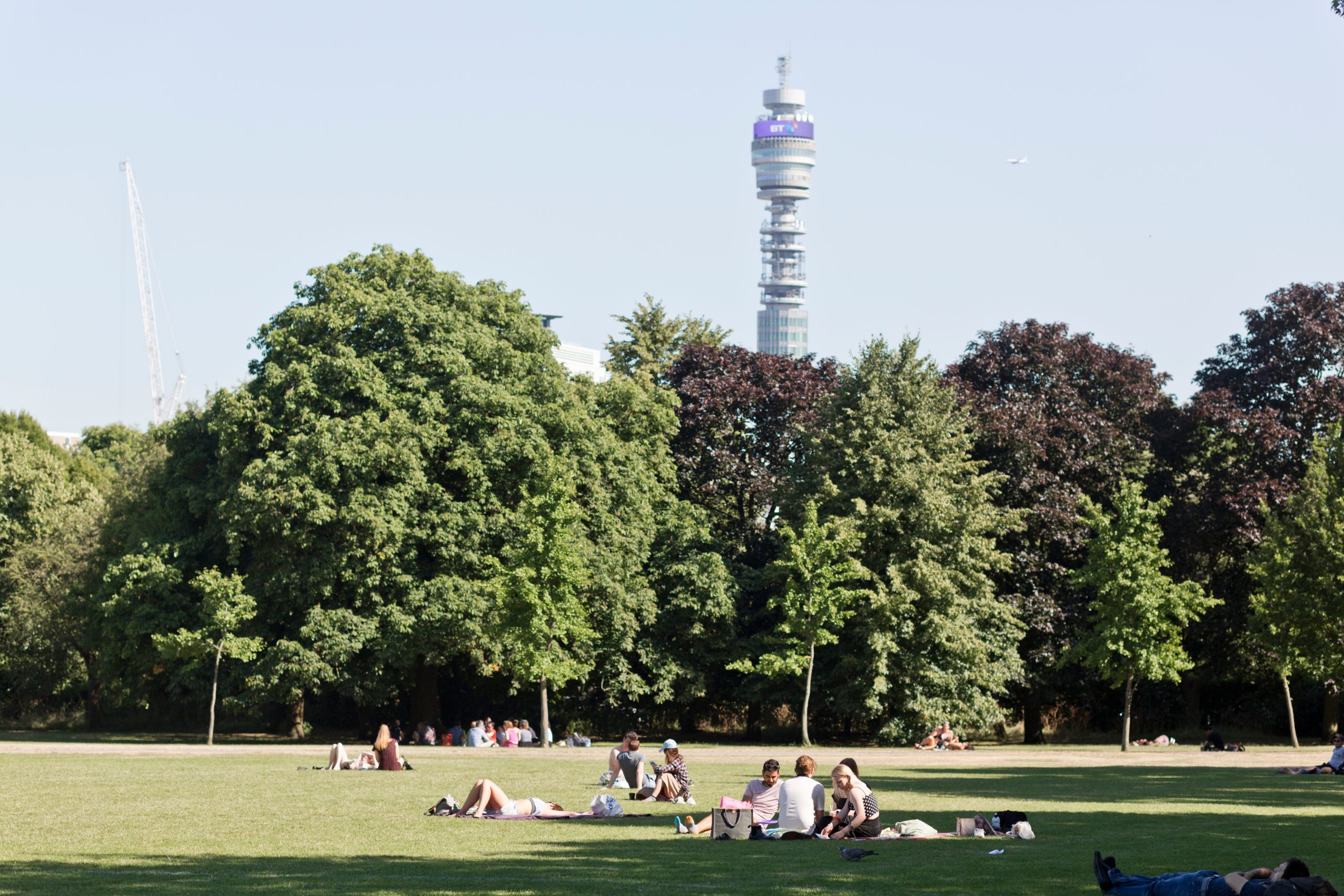
image of people sat on field

Start Your Journey Today

Get In Touch
  • Jonathan is fantastic. I found our sessions to be a very calm environment that really helped me to reset each week. Jonathan really builds a great rapport, and is very practical and realistic during the process. I could not recommend him more!

    Former Client

  • I am extremely grateful for the care Allison showed me during our sessions. She always adapted sessions to match my needs and demonstrated a real understanding of the difficulties I was facing. Her openness and kindness meant that trust was developed very quickly, and I would have no hesitation in seeing her again should I ever need to.

    Former Client

  • The early stages showed me that Emily truly cares about helping other people. I was hesitant to start sessions, but Emily remained consistent with reaching out and always remained patient and understanding. The depth and structure of the sessions was incredible, I’ve never worked with a therapist who has left me feeling like I understand and appreciate to I am to such a level.

    Former Client